A new open format called oTAPE is attempting to preserve the physical logic of an audio cassette inside a digital file. Its 1.0 release-candidate specification defines a self-contained archive with two fixed-length sides, continuous recordings, record tabs, labels and printable-style artwork rather than treating a mixtape as an ordinary playlist.
An .otape file is a ZIP archive with a prescribed layout. A mimetype entry appears first for identification, followed by a JSON manifest, one audio file for each recorded side and optional artwork or documents. The format uses standard components including AAC audio and PNG or JPEG images, allowing its contents to be inspected with existing tools. It is designed to work offline and does not maintain links to the source music files.
The specification deliberately retains cassette constraints. A creator chooses a total length, split across sides A and B, and each side is stored as one continuous recording. Track markers can identify songs without dividing the audio. Silence, spoken introductions and other transitions remain part of that recording, while playback position is maintained separately so listening does not modify the archive. Reaching another part of a side is framed as winding rather than instant track selection.
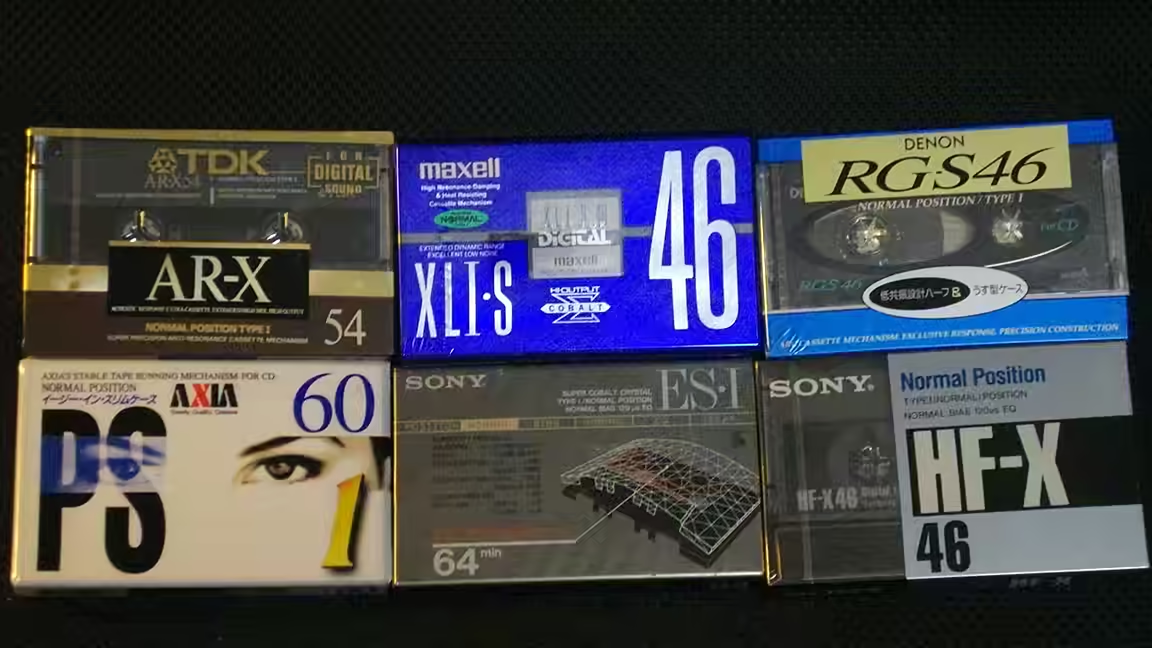
Visual material follows defined physical dimensions. The archive can contain shell and label designs, the front, spine and flap of a J-card, a booklet, liner notes and a dedication. Players may also draw the cassette shell from a small appearance description instead of a supplied image. Fixed measurements and aspect-ratio tolerances are intended to make artwork portable between authoring tools and players.
Record tabs reproduce another familiar behavior. Breaking a tab marks a completed side as protected against accidental rerecording, but the mechanism is not digital-rights management and can be reversed, much like covering the hole on a physical cassette. The cassette name reflects total playing time using the traditional C-number convention.
The project also defines optional .otsound machine presets. These describe playback characteristics in real-world units such as speed percentage, decibels and hertz, letting a player simulate different decks without changing the underlying recording. A listener can switch the simulated machine during playback while the .otape file remains untouched.
A browser-based reference deck demonstrates the format with plain JavaScript and processes dropped files locally without uploading them. The project stresses that oTAPE is neither a new audio codec nor merely another music player. Its purpose is to describe a complete cassette as one transferable object, including the pacing, packaging and limitations that shaped how tape compilations were made. Whether software makers adopt the release candidate will determine if that deliberately constrained model becomes interoperable beyond the demonstration player.