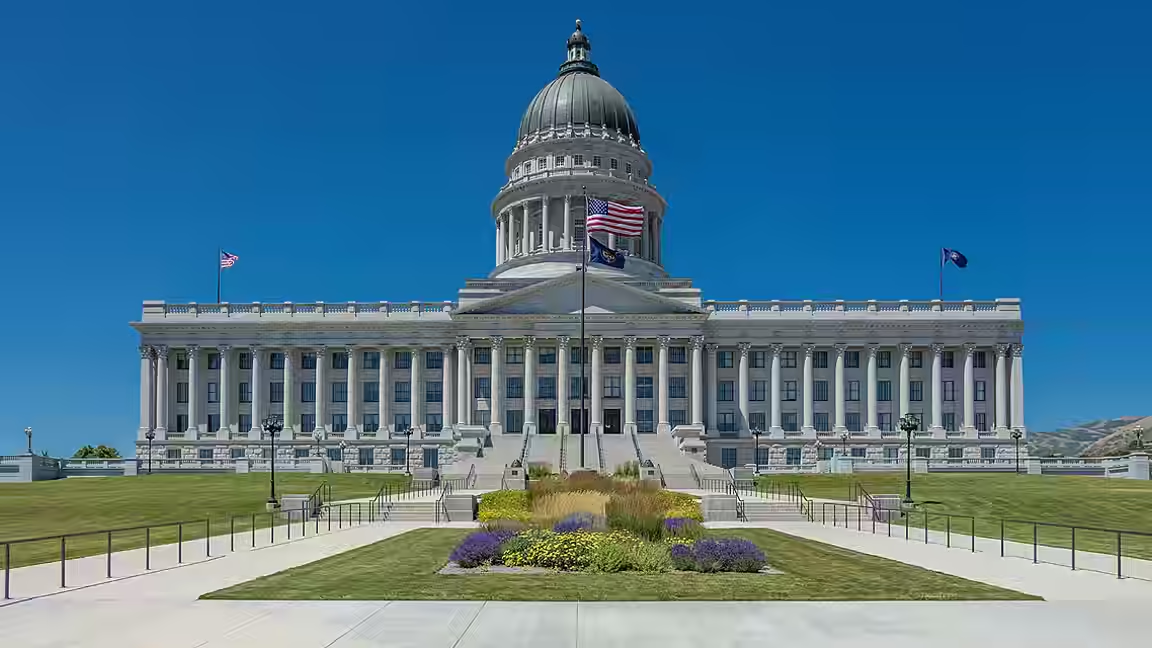
Utah prosecutors have filed criminal charges against prediction-market operator Kalshi and its two co-founders, escalating a dispute over whether federally regulated event contracts can be subjected to state gambling laws. Court filings reviewed by Ars Technica list KalshiEX, chief executive Tarek Mansour and chief operating officer Luana Lopes Lara as defendants.
Each defendant faces 13 felony charges and one misdemeanor, according to the report. The allegations concern sports contracts offered between September 13 and September 24. The founders were summoned to respond in Utah's Third District Court in Salt Lake County; authorities did not issue arrest warrants. The charges are accusations, and no finding of guilt has been made.
Kalshi said it would contest the case, calling Utah's action an overreach. The company has argued in multiple jurisdictions that its registration with the US Commodity Futures Trading Commission places its event-contract exchange within an exclusively federal regulatory system. Utah takes the opposite view, characterising the sports and event products as gambling prohibited by state law.
The criminal matter follows a civil enforcement suit in which Utah seeks to stop Kalshi from offering contracts tied to sports, elections, politics and other events. Gambling is barred by both Utah statutes and the state constitution, giving officials a particularly broad basis for their enforcement position.
At the same time, the CFTC has sued Utah in federal court to block the state's action against registered contract markets. The commission says Congress gave it exclusive authority over the relevant derivatives and that state enforcement interferes with that system. Utah is the tenth state targeted in similar litigation by the federal regulator, according to Ars Technica.
Kalshi has already suffered a significant setback in the state. In August, US District Judge Robert Shelby granted summary judgment to Utah and rejected Kalshi's request for a preliminary injunction. His ruling concluded that the federal law cited by the company did not pre-empt Utah's power to enforce anti-gambling rules. The Tenth Circuit subsequently denied an emergency injunction while Kalshi pursues its appeal.
Courts elsewhere have divided on the issue. The Third Circuit prevented New Jersey from regulating comparable prediction-market sports contracts, while rulings involving Ohio, Tennessee and Nevada went in the states' favour. New Jersey has asked the US Supreme Court to resolve that split, supported by 39 other states and the District of Columbia.
The outcome reaches beyond Kalshi. Rival prediction markets and sports-betting groups have developed federally registered contract products for states where ordinary betting is restricted. A definitive ruling on whether those contracts are swaps governed solely by federal law, or products still reachable under state gambling codes, would reshape that strategy. For now, Utah's criminal case proceeds alongside civil suits, federal litigation and Kalshi's appeal.