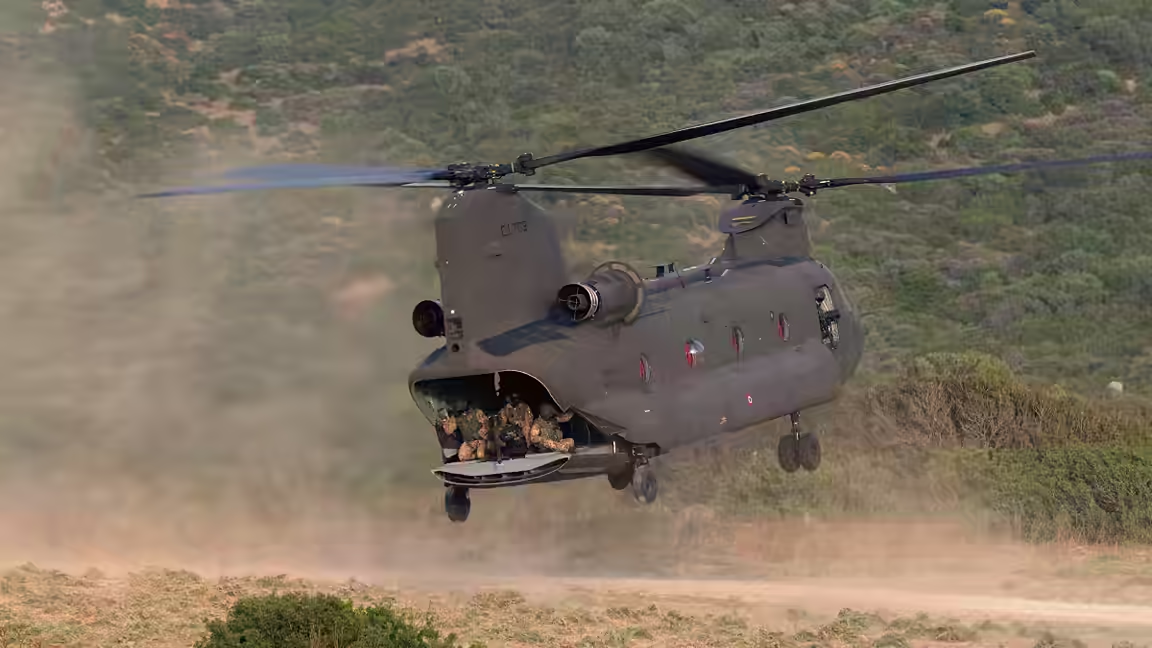
An Indian tourist was killed and a New Zealand national injured after two small helicopters collided while trying to land in Nepal's Everest region, according to police information reported by AFP. The aircraft, operated by Fishtail Air and Air Dynasty, came together at a snow-covered landing site in Solukhumbu district on Tuesday morning.
Nabin Raja Budhathoki, the officer in charge of Solukhumbu District Police, told AFP that the Indian passenger, aged 47, died at the scene. The injured passenger, a 53-year-old New Zealand citizen, was flown to Kathmandu for further treatment. Authorities were also arranging to transport the dead passenger's body to the capital.
The available account did not identify the precise landing site, the helicopter models, the number of crew members or the condition of either pilot. It also did not provide an official cause. The collision occurred during the landing attempt, but no conclusion has been announced about the role of weather, visibility, pilot actions or equipment. Those details will require findings from Nepal's aviation authorities rather than inference from the location.
Helicopters provide essential transport across Nepal's mountainous areas, where roads may be absent or journeys by land can take far longer. Operators move trekkers, climbing teams and supplies and perform emergency evacuations from high-altitude routes. Solukhumbu includes Mount Everest and many of the settlements and air links used by visitors heading toward the mountain.
Those operations take place in demanding conditions. High elevation affects aircraft performance, while mountain terrain can produce rapidly shifting cloud, wind and visibility. Small landing zones also leave limited room for manoeuvre. These general hazards explain why helicopters are valuable and why flights require specialised planning, but they do not establish what caused Tuesday's collision.
Nepal contains eight of the world's 14 mountains above 8,000 metres and receives thousands of foreign climbers and trekkers. Tourism supports extensive aviation activity in areas where conventional transport infrastructure is sparse. The same geography that draws visitors creates persistent operational challenges for fixed-wing aircraft and helicopters.
The immediate priorities reported after the crash were medical evacuation and recovery of the person who died. No information in the available police account indicated when investigators would issue a preliminary report or whether the operators had suspended similar flights. Fishtail Air and Air Dynasty were identified as the operators, but the evidence packet contained no separate statements from either company.
Until an investigation provides more detail, the verified facts remain limited: two helicopters collided on approach to a snowy Solukhumbu site, one passenger died and another was taken to Kathmandu. Any broader explanation of the accident would go beyond the information released by police.