Checks across four countries
Seven passenger flights across Europe were inspected on November 3 after suspected bomb threats affected aircraft landing in Italy, Spain, Poland and Bulgaria. No explosives were reported found in the searches described by authorities, while officials in different countries prepared to examine whether the incidents were connected.
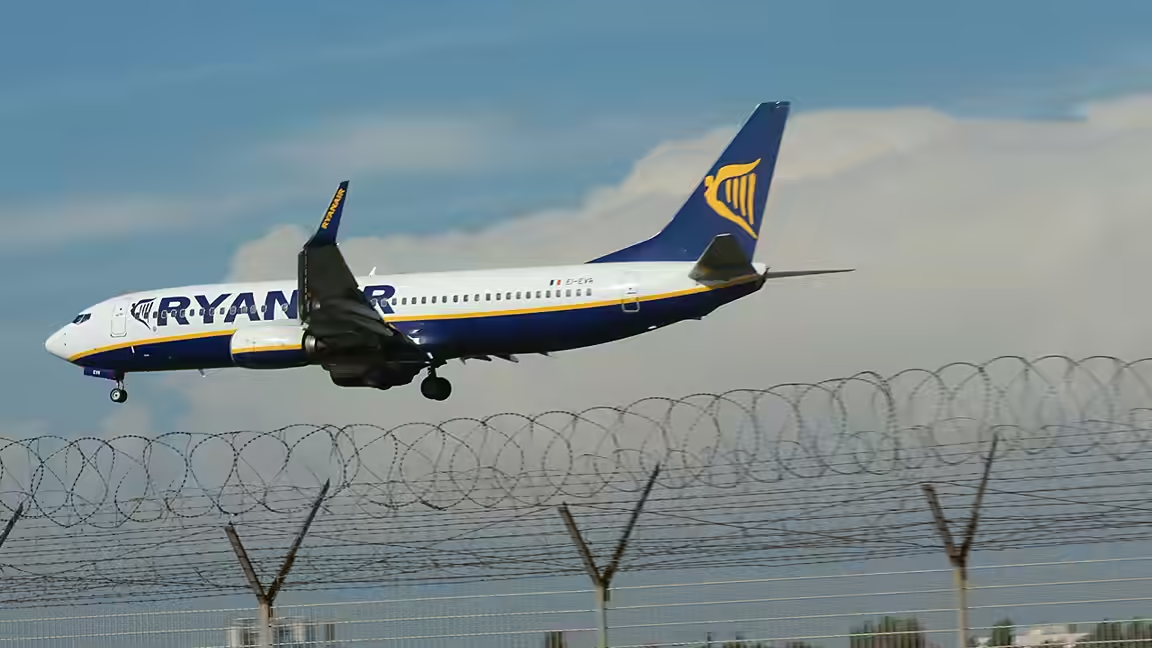
Two Ryanair aircraft, arriving in Rome from Dublin and Lisbon, were searched after anonymous tips. The flight from Dublin received an Italian Air Force escort before landing at Fiumicino airport. Police bomb-disposal teams checked passengers, luggage and the planes before clearing the alerts.
A Ryanair service from Manchester was inspected after landing in Murcia in southern Spain. Passengers were kept aboard briefly before emergency services and police arrived, then evacuated without their belongings while the aircraft was searched. Spanish authorities said no explosives were present.
Two Warsaw-bound services were also affected. A flight from London Heathrow that had been scheduled to land at Warsaw Chopin Airport diverted to the smaller Modlin airport, temporarily closing it. A Scandinavian Airlines flight from Copenhagen landed at Chopin as planned.
In Bulgaria, Transport Minister Georgi Peev said threats were made against flights arriving in Sofia from Bergamo and Dublin. Neither aircraft diverted. Border police said an email alleged an improvised explosive device on the Bergamo service and made a similar claim about the Dublin flight. Standard emergency procedures were activated, and searches found nothing.
Authorities treat threats as genuine
The UK government called the incidents malicious hoaxes and said established aviation-security procedures had been used. Officials had not established a formal link among the threats, but cross-border cooperation was expected because the number of incidents in a short period was unusual.
Aviation specialists told the BBC that crews and ground teams treat a threat as genuine until checks resolve it. Depending on the assessed credibility, a captain may divert to an airport with suitable emergency facilities. On board, crews can quietly inspect toilets, galleys and storage spaces. After landing, an aircraft is typically moved to an isolated position so passengers can disembark and specialist teams can search it.
The cluster followed a separate incident one day earlier, when a Wizz Air flight from London Luton made an emergency landing in Budapest accompanied by a Hungarian fighter jet. Security checks in that case also found nothing.
Although the November 3 searches produced no explosive discovery, the response disrupted airports, diverted at least one flight and required military, police and bomb-disposal resources in several countries. Determining whether a common actor was responsible remained a matter for authorities rather than an established conclusion.