Authorities say voting system remained operational
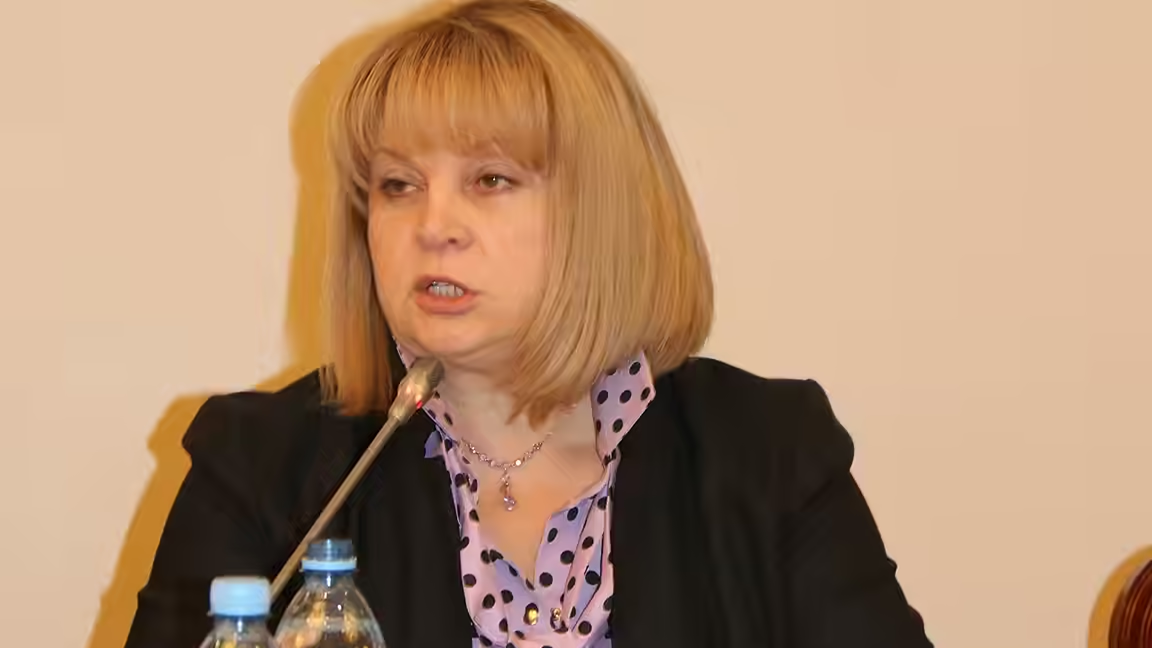
Russian authorities reported cyberattacks against voting and communications systems on September 19, the second day of the country's three-day parliamentary election. Central Election Commission chair Ella Pamfilova said Moscow's online voting platform had faced a strong overnight attack but remained under control, according to Russian state media cited in an ABC News Australia report based on Reuters reporting.
Pamfilova said attacks were continuing and were being repelled. Separately, Russia's digital ministry reported an attempted act of sabotage against communications lines in the Far East. The ministry said the effort was thwarted and communications were restored. The supplied reporting did not identify the attackers or provide technical evidence about the incidents, so the claims remain official Russian accounts.
Voting for the State Duma was scheduled from September 18 through September 20. President Vladimir Putin accused Ukraine of attempting to interfere with the election, but the report said he did not provide evidence. The vote is taking place during the fifth year of Russia's full-scale war against Ukraine, with most anti-war candidates barred from participating.
Election also prompts dispute with Moldova
The parliamentary election has generated a separate diplomatic confrontation over voting by Russian citizens in Transnistria, the breakaway region of Moldova backed by Moscow. Russia says about 220,000 residents there hold Russian passports and should be able to vote in the State Duma election.
Moldova's government disputes that figure and says Russian voting should occur only at a single polling station in the Russian embassy in Chisinau. It opposed Moscow's reported plan for 15 polling stations in Transnistria, where Moldovan authorities do not control electoral procedures, describing the proposal as unacceptable and hostile.
Russian Foreign Ministry spokesperson Maria Zakharova called on Moldova to withdraw its objections. Moldovan Foreign Minister Mihai Popșoi responded by urging Moscow not to interfere with Moldova's plans for peaceful reintegration of the territory. The disagreement adds a sovereignty dispute to an election already closely connected with the Kremlin's claims of domestic support during wartime.
The cyberattack reports should be treated with the same caution as other official statements issued during an active conflict and election. Russian agencies said systems remained available, but the supplied evidence contains no independent forensic assessment of the scale, origin or effect of the alleged attacks. What can be established is that officials publicly acknowledged attempted disruption while voting continued and that the incidents became part of the wider political narrative surrounding the election.